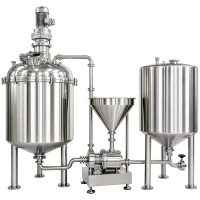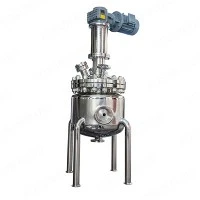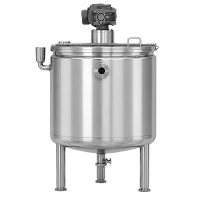

The CE marking under PED 2014/68/EU does not stand alone in the European regulatory framework. For food processing equipment, it must be complemented by additional compliance requirements that address food safety and hygiene. The EU 1935/2004 Food Contact Materials regulation requires that all materials and articles intended to come into contact with food must meet migration limits and safety requirements. This typically means specifying 316L stainless steel, FDA-approved polymers, and migration-tested components, supported by a Declaration of Compliance (DoC), migration testing documentation, GMP certification, and full material traceability.
The EU 852/2004 Food Hygiene Regulation adds another layer of requirements, mandating general hygiene requirements for all food business operators. This includes HACCP implementation, preventive measures, cleaning and disinfection protocols, maintenance procedures, and staff training requirements. For food processing pressure vessels, this means that hygienic design principles - such as self-draining surfaces, polished internal finishes (Ra ≤ 0.8 μm), and elimination of dead zones - must be integrated into the vessel design alongside PED compliance.
For processors, the practical implication is clear: CE marking under PED is the entry ticket to the EU market, but it must be part of a broader compliance strategy. Equipment that is CE marked but fails to meet food contact or hygiene requirements cannot be legally operated in food processing applications. Conversely, equipment that meets all requirements - PED, food contact, and hygiene - can move freely within the EU single market with a single set of documentation.
The commercial benefits of PED compliance extend beyond regulatory access. CE marked pressure equipment demonstrates a manufacturer's commitment to safety, quality, and regulatory responsibility. For food processors sourcing equipment for EU facilities, specifying PED-compliant vessels with full CE marking simplifies procurement, reduces the risk of customs delays, and provides documented evidence of safety for insurance and regulatory inspections. The technical file and risk assessment documentation required for CE marking also serve as valuable operational references throughout the equipment lifecycle.
For manufacturers outside the EU seeking to enter the European market, engaging a Notified Body early in the design process is essential. The Notified Body provides conformity assessment services and ensures that the equipment meets all applicable PED requirements. With the right documentation and assessment strategy, PED 2014/68/EU compliance and CE marking transform what could be a complex regulatory barrier into a streamlined pathway to EU market entry - protecting both the manufacturer's investment and the end-user's operational safety.