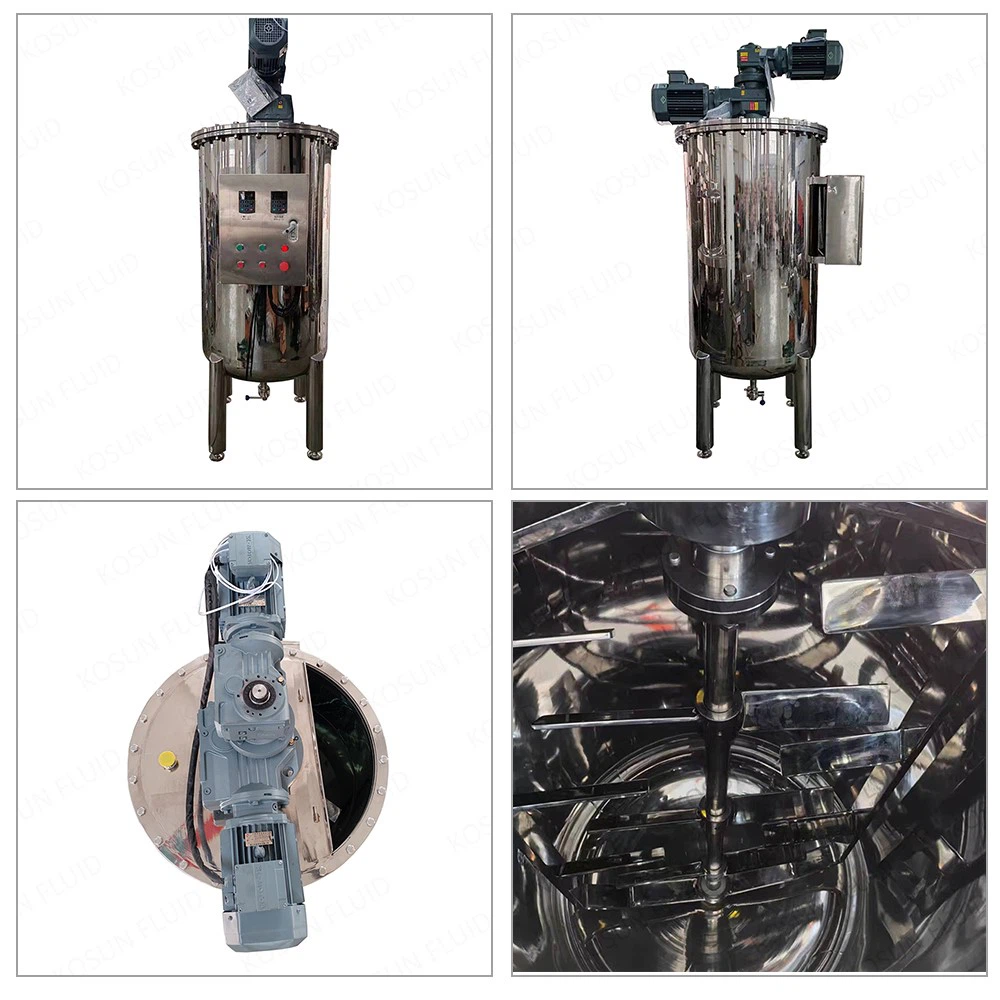

The following aspects should be paid attention to in the daily maintenance and cleaning of doubleaxis reverse rotating mixing tank. In view of the structure and safety requirements of the equipment, the following specific considerations apply:
I. Daily maintenance points.
Lubrication System Management
Lubrication of key components: shaft bearings, gear reducers and gearboxes require regular lubrication. shaft bearings shall be lubricated weekly with 4 # 4# lithium-based lubricating grease. The reducer and gearboxes shall be replaced with industrial gear oil every six months. In winter, low-temperature lubricating grease should be replaced to prevent oil from freezing.
Oil level and leakage inspection: check the oil level of gearbox once a month to ensure that the oil level is within the upper and lower limits of the oil gauge, and check the oil seal and flange connection points points oil leakage. If leakage is detected, the seals should be replaced in a timely manner.
Transmission system maintenance
Reducer maintenance: use wear-resistant hydraulic fluid. Before changing the oil, you need to drain the oil, clean the sediment from the bottom of the oil tank, check the oil level once a month, and calibrate the coaxiality of the motor and the reducer quarterly to avoid vibrations during use.
Coupling and motor inspection: weekly inspection of coupling rubber pads for elasticity and tightening of bolts, quarterly cleaning of motor heat dissipation fins dust, check connection terminals for loosening.
Sealing system protection
End-seal maintenance: Check the axle end daily for cement slurry leakage. If a leak occurs, clean the ring surface, check if the ring is worn or aged, apply grease during installation to ensure the ring is tightly fastened.
Box and hydraulic system seal: periodic inspection of gearbox and hydraulic oil box flange connection points. If the gasket is old or damaged, replace the gasket; oil resistant rubber material should be used for hydraulic system gaskets.
Check stirring components;
Gap between blade and liner: According to the standard, the gap between blade and liner should be 3-5mm. If more than 8mm is required, the entire lining must be replaced if the lining is worn to a third of its original thickness, or if the tip of the blade is worn more than 10mm.
Tension bolts: weekly check that the retaining bolts on stirring shafts, blades and bushing are loose to prevent parts from shedding due to vibration.
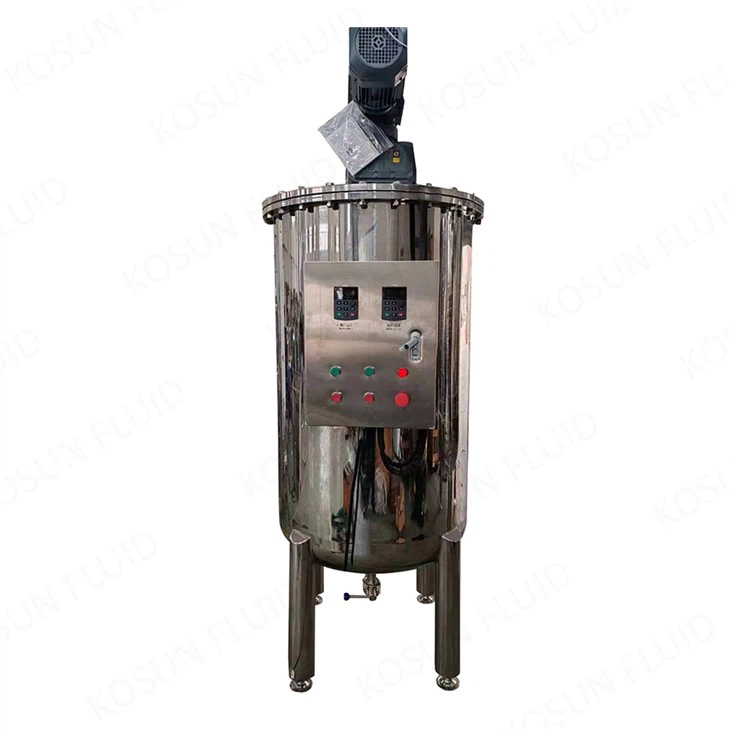
Dual Shaft Counter Rotating Mixing Tank
II. Cleaning Operation Specifications
Preparation before cleaning
4. Blackout sign: Power must be cut off before cleaning, with a a "Do Not Close Switch" warning sign and a lock on the starter switch to prevent accidental operation.
Residual material removal: First, empty the mixer and use a broom or water cannon to clean the box walls and mixing blades of sediment to avoid overloading during start-up.
Process control during cleaning
Use of special tools: Use plastic or wooden tools to clean leftover concrete. Do not hit with a hammer to prevent parts from deforming; if the material solidifies, it must be removed manually with a chisel.
Protection of shaft ends and sealing part: avoid concrete slurry direct flushing into shaft end seal. shaft end may be fitted with a protective cover. After cleaning, the residual material on the sealing cover shall be cleaned to prevent hardening and damage of the sealing cover.
1. water sprayer cleaning: Check and wash the water sprayer to make sure the water is flowing smoothly during cleaning process, so as not to cause incomplete cleaning due to blockage.
Post-cleaning inspection
4. run verification: After cleaning, manually start the blender to test run, observe whether the rotary shaft and blades are running smoothly, confirm that there is no abnormal sound or vibration before use.
Lubrication and protection: After cleaning, lubricate moving parts (such as bearings and gears) and apply protective oil to sealed parts to prevent rusting.
III. Security and Protection Measures
Personal Protective Equipment: Operators must wear safety helmets, protective glasses, earplugs, gloves and non-slip work shoes to avoid mechanical damage and noise pollution.
Emergency Shutdown mechanism: Familiar with the location of device emergency shutdown buttons. If there are any abnormalities (such as blockage or leakage) during the cleaning process, the machine should be shut down immediately to check the cause.
Anti-skid and anti-collision: keep the work area clean and remove water or oil stains in a timely manner. During cleaning, do not let the staff stand below the feed hopper or within the rotation range of the stirring shaft.
IV. INTRODUCTION Highlights of seasonal maintenance
Winter Frost Prevention: after cleaning water pump, water tank and pipes, drain all water to prevent icing and cracking; replace low-temperature lubricant to ensure smooth oil flow.
Summer Cooling: Strengthen electrical components to dissipate heat, regularly clean dust from motor cooling wings, check oil temperature of hydraulic system to avoid overheating and seal failure.