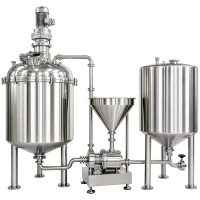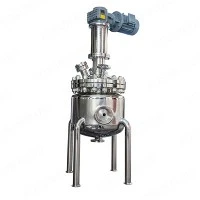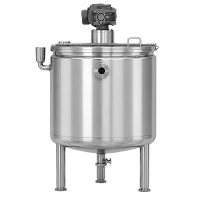

While designs vary greatly based on application, most modern fermentation tanks share several key features:
Material: The vast majority are made from stainless steel, specifically grades like 304 or 316L. This is non-porous, resistant to corrosion from acidic products, and incredibly easy to clean and sanitize-a non-negotiable requirement for preventing contamination.
Temperature Control: Fermentation is an exothermic process-it generates heat. Uncontrolled temperature can kill yeast or create off-flavors. Tanks are equipped with jackets-a hollow sleeve around the vessel-through which a coolant (like glycol) or heating medium is circulated to maintain the exact temperature required by the recipe.
CIP (Clean-In-Place) System: This is a revolutionary feature for hygiene and efficiency. CIP systems use strategically placed spray balls or jets inside the tank to automatically circulate cleaning and sanitizing solutions without the need for disassembly or manual scrubbing.
Pressure Rating: Many modern tanks are designed to be pressure-capable. Allowing a slight pressure build-up (typically 1-2 bar) has several benefits: it can suppress the formation of unwanted esters, naturally carbonate the beer (in a process called spunding), and allow for closed transfers, which protect the product from oxygen.
Conical Bottom: The iconic shape of a Unitank (uni-tank) features a cone at the bottom. This design allows yeast and other solids (trub) to settle out of the liquid post-fermentation. A valve at the cone's tip allows for easy harvesting of yeast for reuse or removal of waste.
Insulation & Cladding: The outer jacket is almost always insulated and covered with a polished stainless steel or decorative cladding. This improves temperature control efficiency and gives the tank its classic, sleek appearance.