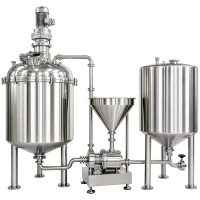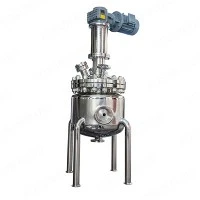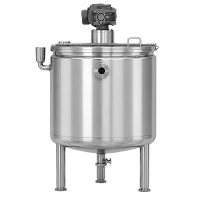

Cooling tank is an essential piece of equipment in various industries, including food, pharmaceuticals, and chemical industries. It is designed to facilitate the cooling process of hot substances, such as liquid and solid materials, after they have gone through heating or processing. The cooling tank has become a popular choice because of its effectiveness in reducing the temperature of the heated substances quickly and efficiently, without compromising the quality or integrity of the materials.
One of the primary applications of the cooling tank is in food preservation. Food items like cheese, yogurt, and milk need to be stored at a particular temperature to remain safe and fresh for consumption. The cooling tank is used to lower the temperature of the food products from the pasteurization temperature to the storage temperature within a short time, usually 15-30 minutes. This quick cooling process ensures that the food products maintain their flavor, texture, and nutritional value.
In pharmaceutical industries, the cooling tank is used to reduce the temperature of drugs and chemical substances that require fast cooling rates to prevent degradation or crystallization. Cooling tanks can cool these materials to the desired temperature quickly and efficiently, increasing the efficiency of the manufacturing process while ensuring the purity and quality of the processed substances.
Furthermore, cooling tanks are also used in the chemical industry, where they aid in the cooling of substances that have gone through chemical reactions. The cooling process helps to prevent further reactions from occurring, which could be dangerous or reduce the quality of the substance in question.
In conclusion, cooling tanks are essential pieces of equipment used in several industries for their effectiveness in facilitating the cooling process of hot substances. The application of cooling tanks has revolutionized the manufacturing industry, ensuring the quality, purity and integrity of the processed materials. Its use has enabled companies to reduce the time taken for cooling processes while increasing production efficiencies, saving time and money.