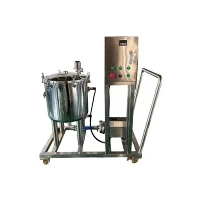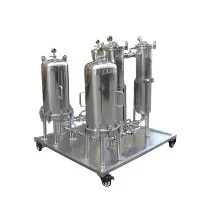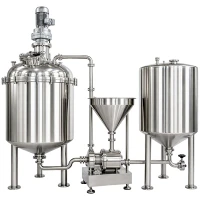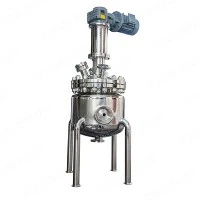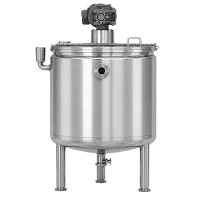

Stainless steel herbal extraction tanks are industrial containers used to extract active ingredients from plants, herbs and other natural ingredients. It is widely used in many industries such as traditional Chinese medicine, plant extracts, food production, health supplements, cosmetics, etc. These devices typically use heating, soaking, stirring or cycling to facilitate the release of target compounds from the feedstock to the extraction solvent. As a professional equipment supplier, we design tank structure and auxiliary components according to the client's specific raw material characteristics, extraction processes, production scale, hygiene requirements, etc..
1.Basic Operating Principle of Stainless Steel Herbal Extraction Tanks
The main function of the Stainless steel herbal extraction tanks is to gradually dissolve the active ingredient into liquid phase by contacting the solvent with the plant material.
In a typical production workflow, the operator fills the container with herbal ingredients and a moderate amount of solvents, then adjusts parameters such as heating temperature, extraction duration and agitation speed to specific process requirements. Once the extraction is complete, the liquid extract is separated from the solid residue by filtration or drainage system.
Common extraction methods include hot water extraction, solvent extraction and dynamic circulation extraction. Each method has specific requirements for the heating system, sealing structure and internal structure of the equipment.
2.Stainless Steel Tank Body
The tank body is the core component of the extraction unit and is a container for plant materials and extraction solvent.
These tanks are typically made of 304 or 316L stainless steel; material selection depends on factors such as extraction medium, operating temperature, corrosion potential and hygiene standards.
304 Stainless steel is suitable for many standard extraction processes, while 316L stainless steel has excellent corrosion resistance and is suitable for production environments with high requirements for corrosive substances.
When designing water tanks, suppliers must also consider effective volume, operating pressure, wall thickness, insulation and internal cleaning requirements.
3.Heating System
The heating system provides the necessary heat for the extraction process, making it easier for the active ingredients in plant materials to be released.
Common heating methods are steam heating, electric heating and hot water circulation heating heating. Steam heating usually transfers heat through clamps or other heat exchangers, making it ideal for mass extraction on an industrial scale. Electric heating uses electric heating elements and is suitable for production facilities with the necessary electrical infrastructure. Hot water cycle heating provides indirect heat through a circulating hot water system for precise temperature control.
heating method should be selected based on factors such as required extraction temperature, heating rate, energy costs and utilities available on site.
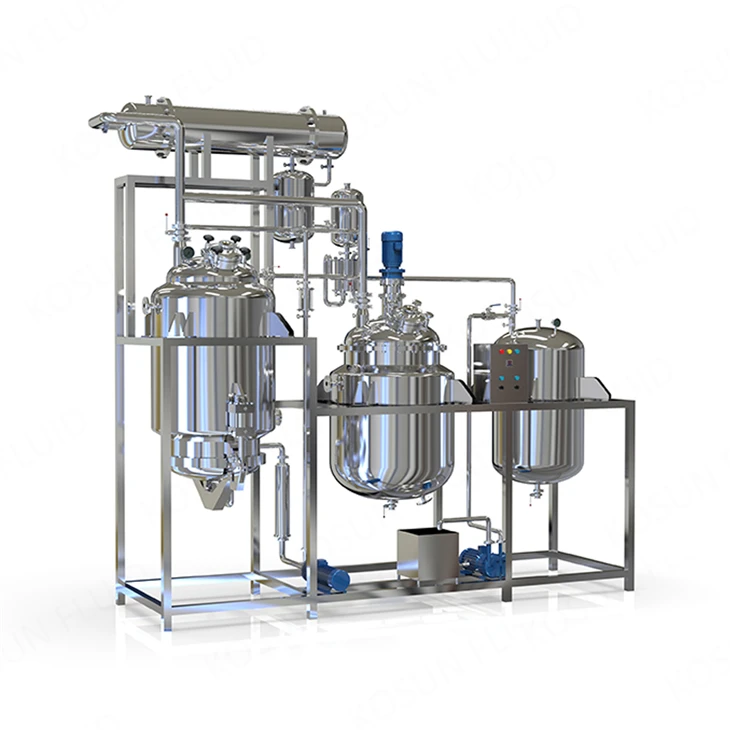
4. Agitation System
agitation system are mainly used to ensure adequate contact between plant materials and solvents and to improve the uniformity of mixtures in containers.
Generally consists of electric motor, a gear reducer, agitator shaft, mixing blades or impeller.
For plant materials that precipitate or accumulate easily, well-designed agitation system can help alleviate problems associated with inadequate local mixing. However, not all herb extraction processes require continuous stirring; specific configurations should be determined according to the physical form of the raw material and the requirements of the extraction process.
5. Filtration and Drainage System
Filtration and drainage system are responsible for separating liquid extracts from plant residues and transferring them to downstream facilities for concentration, further filtration or storage.
Typical components include filter screens, drainage outlets, residue vents, and associated pipes and valves.
During the equipment design phase, suppliers must carefully consider factors such as filtration precision, drainage rate, residue removal methods, piping connection configuration, etc., to ensure that the design does not adversely affect subsequent production stages.
6. Temperature and Pressure Control System
Temperature and pressure are critical to the stability of the extraction process; therefore, herbal extraction vessels are usually equipped with monitoring and control devices.
Temperature sensors are used to monitor the temperature of the contents, while pressure gauges display the internal pressure. The control system can then adjust the operation of heating and other equipment according to process requirements.
For extraction vessels designed to operate under pressure, safety devices such as safety valves shall be installed in accordance with design specifications. When procuring equipment, it is important to specify the design pressure and actual conditions of use and not to confuse atmospheric pressure extraction containers with pressurized extraction vessels.
7. Sealing and Cleaning System
Sealing structures is essential to minimize the leakage of liquid or steam extraction process, thus ensuring the normal operation of the equipment.
Common sealing points include the connection of the vessel lid, sealing around the agitator shaft, and the interface of the pipe. The selection of sealing material should be based on extraction solvent, operating temperature, hygiene requirements, etc..
Convenience of cleaning inside devices is also an important consideration for manufacturers in the food, plant extracts and health supplement industries. Some units can be equipped with sprinklercleaning system, reducing the need for manual cleaning and reducing the risk of cross-contamination of different batches of raw materials.
8. What specifications should be considered when purchasing stainless steel TCM extraction tanks?
As a supplier of equipment, we advise buyers to look beyond tank capacity and appearance. Equipment configuration should be determined according to your specific manufacturing process.
First, verify whether the tank is 304 stainless steel or 304 or 316L stainless steel and select the material based on the the corrosivity extraction medium. Second, confirm the effective quantity and processing capacity of each batch of raw materials to ensure that the equipment size meets your actual production requirements.
In addition, the heating method, agitation type, working temperature, design pressure, filtration precision and residue discharge mode are also considered. If your manufacturing process requires high hygiene standards, pay close attention to internal surface finish, cleaning mechanisms and sealing materials.
For example, companies that specialize in standard herbal hot water extraction should focus on steam heating, temperature control, and filtration/drainage systems. If the process involves special solvents, the compatibility of the material, the suitability of the seal and safety requirements, such as blast resistance, must be verified.
Frequently Asked Questions:
Q1: What materials are commonly used in stainless steel Chinese herb extraction tanks?
Common materials are 304 and 316L stainless steel. The selection depends on the the corrosivity, hygiene requirements and operating environment of the extraction medium.
Q 2: Can Chinese medicine extraction tanks be heated by electricity?
Yes. ' Some units utilize electric heating for facilities with the necessary electrical infrastructure. The required heating power is determined by the tank capacity and the target heating rate.
Q3: Is the volume of stainless steel Chinese herbal extraction tanks customizable?
Yes. ' Suppliers can usually design equipment of different specifications based on your batch processing volume, volume of extraction liquid, available production space, and specific process requirements.
Q4:Do you need agitation system for Chinese medicine extraction tanks?
Not necessarily. Whether the stirring mechanism is included depends on the form of the plant material, the type of solvent and the extraction process.