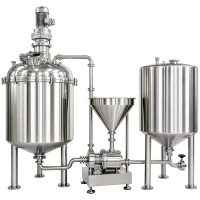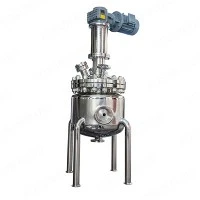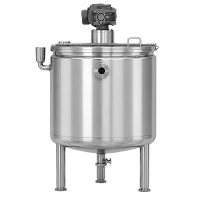

Beer fermentation barrels and wine fermentation barrels differ in several ways, primarily due to the specific requirements and characteristics of each beverage:
Ingredients: Beer typically consists of malted grains (such as barley), hops, water, and yeast, while wine is made from fermented grapes or other fruits. This distinction in ingredients can influence the fermentation process and the characteristics of the barrels used.
Fermentation Process: Beer fermentation often involves a shorter fermentation period compared to wine. Beer fermentation usually lasts from a few days to a few weeks, while wine fermentation can take several weeks to several months. This variance affects the type of barrel used, as wine barrels are often designed to accommodate longer fermentation periods.
Barrel Size: Wine fermentation barrels are typically larger than those used for beer fermentation. Wine barrels can range from 225 to 300 liters or more, while beer fermentation vessels can be smaller, ranging from a few liters to a few dozen liters for homebrewing, or larger for commercial brewing.
Wood Type and Treatment: While both beer and wine barrels can be made from various types of wood, such as oak, the treatment and preparation of the wood may differ. Wine barrels are often toasted or charred on the inside to impart specific flavors to the wine during fermentation and aging. Beer barrels may also be treated, but the process and intensity of treatment may vary based on the desired flavor profile of the beer.
Aging and Flavor Development: Both beer and wine can undergo aging in barrels after fermentation. However, the aging process and its impact on flavor development can differ. Wine aging in barrels can last for months to years, allowing for complex flavor development and integration. Beer aging in barrels, often referred to as barrel aging, can range from a few weeks to several months, and the flavors imparted by the barrel tend to be more subtle compared to wine due to the shorter aging period.
Microbial Activity: While both beer and wine fermentation involve yeast, the microbial activity in wine fermentation may also involve bacteria, particularly in certain styles like natural or wild fermentations. This microbial activity can influence the choice of barrels and the fermentation process in wine production.