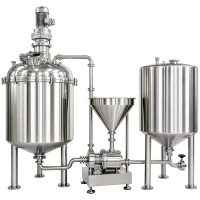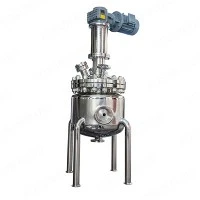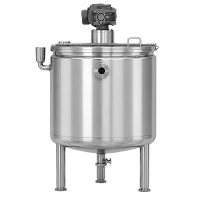

1. Stainless Steel Fermenters
Most common in industrial applications
Resistant to corrosion and easy to sterilize
Used in breweries, wineries, and pharmaceutical industries
2. Plastic Fermenters
Lightweight and cost-effective
Often used in small-scale brewing and home fermentation
Less durable than stainless steel but suitable for short-term use
3. Wooden Fermentation Vessels
Traditional choice for wine and some beer fermentations
Imparts unique flavors due to wood interaction
Requires more maintenance to prevent contamination
4. Open-Top vs. Closed-Top Fermenters
Open-top fermenters allow for natural yeast exposure (common in some wine and wild beer fermentations).
Closed-top fermenters prevent contamination and allow for CO₂ control (common in most modern brewing).
5. Jacketed Fermenters
Feature a cooling/heating jacket for precise temperature control
Essential for lagers, certain wines, and pharmaceutical fermentations