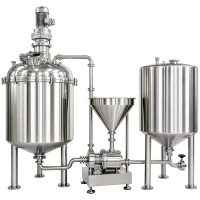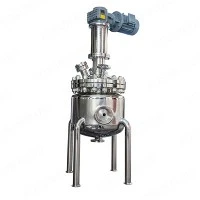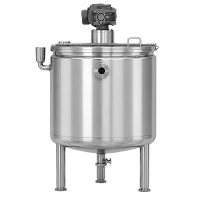

Producing fruit wine on a larger scale with specialized equipment involves several steps.
Fruit Preparation:
Fruit Sorting and Washing, Fruit is sorted to remove any damaged or spoiled pieces and then washed thoroughly to remove dirt and pesticides.
Crushing or Pulping,The fruit is crushed or pulped to break down the cell walls and release the juice. Equipment such as crushers or pulpers are used for this process.
Juice Extraction:
Pressing,After crushing, the pulp is pressed to extract the juice. Hydraulic or pneumatic presses are commonly used for this purpose.
Fermentation:
Fermentation Tanks, The extracted juice is transferred to fermentation tanks. These tanks are often made of stainless steel and may have temperature control capabilities to regulate the fermentation process.
Yeast, Yeast is added to the juice to initiate fermentation. This can be done manually or automatically using dosing equipment.
Monitoring Equipment: Instruments such as hydrometers or refractometers are used to monitor sugar levels and fermentation progress.
Aging:
Storage Tanks, Once fermentation is complete, the wine is transferred to storage tanks for aging. These tanks may be made of stainless steel or oak barrels depending on the desired flavor profile.
Clarification, Equipment such as filters or fining agents may be used to clarify the wine and remove any remaining solids.
Bottling:
Bottling Line, Bottling equipment includes machines for filling, corking, labeling, and sealing the bottles. These machines can handle large volumes of wine efficiently.
Packaging, After bottling, the wine may be packaged into cases or crates for storage and distribution.
Quality Control:
Laboratory Equipment: Various instruments such as pH meters, titrators, and spectrophotometers are used for quality control testing throughout the production process.
Sensory Evaluation: Trained professionals may conduct sensory evaluations to assess the aroma, taste, and overall quality of the wine.
Cleaning and Sanitation:
Cleaning Equipment: Equipment such as CIP (clean-in-place) systems are used to clean and sanitize tanks, pipes, and other equipment to prevent contamination and ensure product quality.